Tim Cook wasn't the CEO most people expected when Steve Jobs died. He was too quiet, too operational, too... managerial. And that's exactly where the story gets interesting.
Under his leadership, Apple transitioned from Intel processors to its own Apple Silicon chips, completing the shift across the entire Mac lineup by 2023 TechCrunch — and that, let's be honest, was one of the most well-executed engineering moves in recent tech history. It wasn't glamorous, there was no dramatic "one more thing" moment, but it was precise, methodical, and brilliant. Purely Cook.
What the article likely touches on, and what deserves serious reflection, is the constant tension between innovation and profitability that defined these 15 years. Cook built an interconnected ecosystem of products and services that shaped how consumers interact with Apple, expanding the services business to include AppleTV, Apple Fitness+, and Apple Music, keeping the company relevant beyond the iPhone. dnyuz Brilliant from a financial standpoint. Debatable from a creative boldness standpoint.
Where Cook clearly fell short was Artificial Intelligence. Apple is rebuilding Siri from the ground up, with a new version expected in 2026 castbox — which is, frankly, an embarrassing delay for a company with Apple's resources. While OpenAI, Google, and Anthropic redefined what an AI assistant can do, Siri got stuck reminding us about meetings. That will be noted in his legacy ledger.
Cook will transition to executive chairman, continuing to engage with policymakers around the world MacRumors — which is, curiously, the role he always seemed most naturally suited for. Corporate diplomacy was perhaps his greatest invisible talent.
John Ternus, at 51, is nearly the same age Cook was when he became CEO. TechCrunch The symmetry is beautiful. But Ternus will inherit an Apple that needs to prove it can still surprise, not just optimize. The hardware is excellent. The creative soul will need to be rekindled. And that, yes, will be the true test of the post-Cook era.






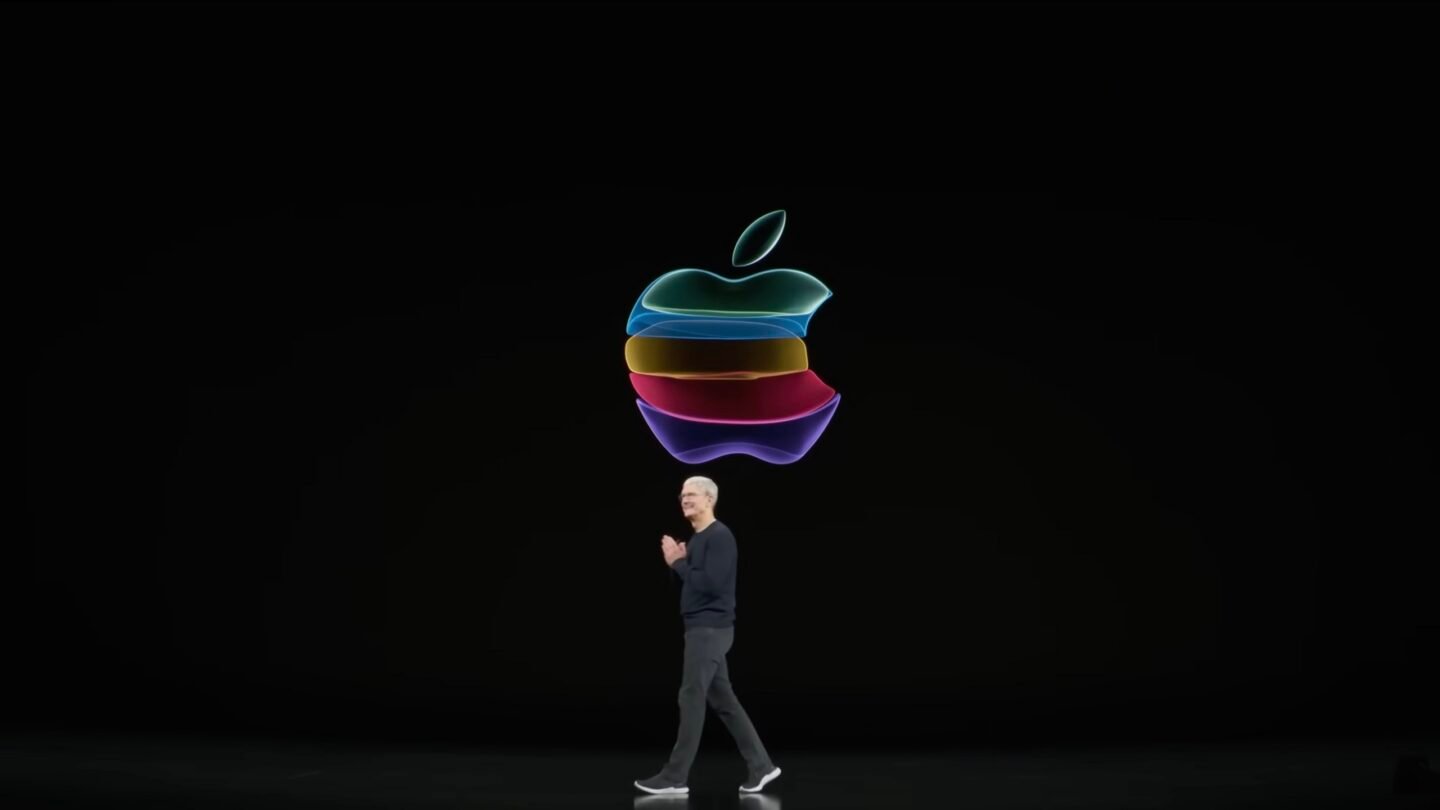
Tim Cook wasn't the CEO most people expected when Steve Jobs died. He was too quiet, too operational, too... managerial. And that's exactly where the story gets interesting. Under his leadership, Apple transitioned from Intel processors to its own Apple Silicon chips, completing the shift across the entire Mac lineup by 2023 TechCrunch — and that, let's be honest, was one of the most well-executed engineering moves in recent tech history. It wasn't glamorous, there was no dramatic "one more thing" moment, but it was precise, methodical, and brilliant. Purely Cook. What the article likely touches on, and what deserves serious reflection, is the constant tension between innovation and profitability that defined these 15 years. Cook built an interconnected ecosystem of products and services that shaped how consumers interact with Apple, expanding the services business to include AppleTV, Apple Fitness+, and Apple Music, keeping the company relevant beyond the iPhone. dnyuz Brilliant from a financial standpoint. Debatable from a creative boldness standpoint. Where Cook clearly fell short was Artificial Intelligence. Apple is rebuilding Siri from the ground up, with a new version expected in 2026 castbox — which is, frankly, an embarrassing delay for a company with Apple's resources. While OpenAI, Google, and Anthropic redefined what an AI assistant can do, Siri got stuck reminding us about meetings. That will be noted in his legacy ledger. Cook will transition to executive chairman, continuing to engage with policymakers around the world MacRumors — which is, curiously, the role he always seemed most naturally suited for. Corporate diplomacy was perhaps his greatest invisible talent. John Ternus, at 51, is nearly the same age Cook was when he became CEO. TechCrunch The symmetry is beautiful. But Ternus will inherit an Apple that needs to prove it can still surprise, not just optimize. The hardware is excellent. The creative soul will need to be rekindled. And that, yes, will be the true test of the post-Cook era.