I can't understand how this became synonymous with "ethics." The man died less than a year ago and they're already using his image, his voice, his face to sell tickets. It doesn't matter if his children signed some paperwork, there's something deeply disturbing about watching an actor digitally resurrected to deliver lines he never said, in a story he never chose to tell. The argument that "audiences won't be able to tell it apart from a human performance" doesn't reassure me at all, quite the opposite, it worries me even more.
I get the discomfort, but I think the situation is more complex than it looks. Val Kilmer spent the last years of his life trying to keep working even while battling throat cancer, he even used AI to recover his own voice while he was still alive. He wasn't someone who shied away from the technology, and the children who knew him closest chose to collaborate actively with the project, not just sign off on a release form. That doesn't settle every question this topic raises for the future, I agree. But treating this specific case as if it were the same thing as a studio stealing an actor's likeness without permission feels unfair.






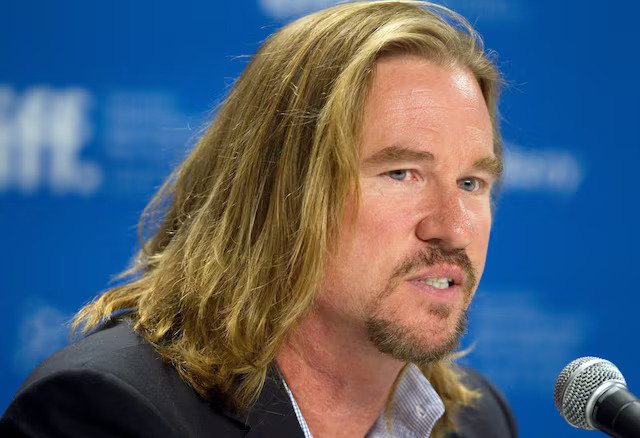
I can't understand how this became synonymous with "ethics." The man died less than a year ago and they're already using his image, his voice, his face to sell tickets. It doesn't matter if his children signed some paperwork, there's something deeply disturbing about watching an actor digitally resurrected to deliver lines he never said, in a story he never chose to tell. The argument that "audiences won't be able to tell it apart from a human performance" doesn't reassure me at all, quite the opposite, it worries me even more.
I get the discomfort, but I think the situation is more complex than it looks. Val Kilmer spent the last years of his life trying to keep working even while battling throat cancer, he even used AI to recover his own voice while he was still alive. He wasn't someone who shied away from the technology, and the children who knew him closest chose to collaborate actively with the project, not just sign off on a release form. That doesn't settle every question this topic raises for the future, I agree. But treating this specific case as if it were the same thing as a studio stealing an actor's likeness without permission feels unfair.